


Ask a room of producers where they get their sounds and two names dominate: Splice and Tracklib. They are often mentioned in the same breath, which is a little misleading, because they solve two genuinely different problems. Splice is a royalty-free sound library. Tracklib is a legal gateway to sampling actual released records. Choosing between them is less about “which is better” and more about “which problem do you have.”
This head-to-head compares cost, catalog, legal safety, workflow, and — most importantly — who each one is actually for in 2026.
Disclaimer: General information, not legal advice. Pricing and license terms change; verify current details on each platform and consult a professional before releasing music that involves licensing or royalty splits.
The core difference in one sentence
Splice sells you royalty-free sounds you can use forever with no strings; Tracklib rents you the right to sample real, copyrighted records in exchange for an ongoing cut of your song.
Internalize that and everything else follows.
Pricing
Splice runs on a credit-based subscription. As of August 2026:
- Sounds+ — $12.99/month, 100 credits
- Creator — $19.99/month, 200 credits (often $4.99 for month one)
- Creator+ — $39.99/month, 500 credits
One sample is generally one credit; presets and MIDI run one to three. Credits roll over, and downloads are yours to keep after cancellation. There are no further costs — no royalties, ever.
Tracklib also uses a monthly subscription (roughly $14.99–$19.99/month in 2026, with a monthly credit allowance of several hundred for browsing and downloading the catalog). But the subscription is only the entry ticket. When you actually release a track that samples one of its records, a royalty split kicks in — you share a percentage of your song’s master and publishing revenue with the original rights holders, based on a rate card that scales with the source song’s category and how much of it you use (commonly in the 10–20% range). Tracklib has also bundled unlimited sample clearance into its higher tiers, removing older per-clearance upfront fees for many users.
Verdict: Splice is cheaper and fully predictable — you always know your total cost. Tracklib’s subscription is comparable, but its true cost is a permanent slice of any song’s success. That is not necessarily worse; it is the price of using someone else’s finished record.
Catalog
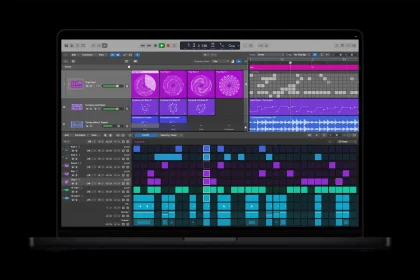
Splice offers millions of loops, one-shots, presets, and MIDI files created specifically for producers, spanning every genre, refreshed constantly, and searchable by key, BPM, and instrument. It is a purpose-built ingredient warehouse.
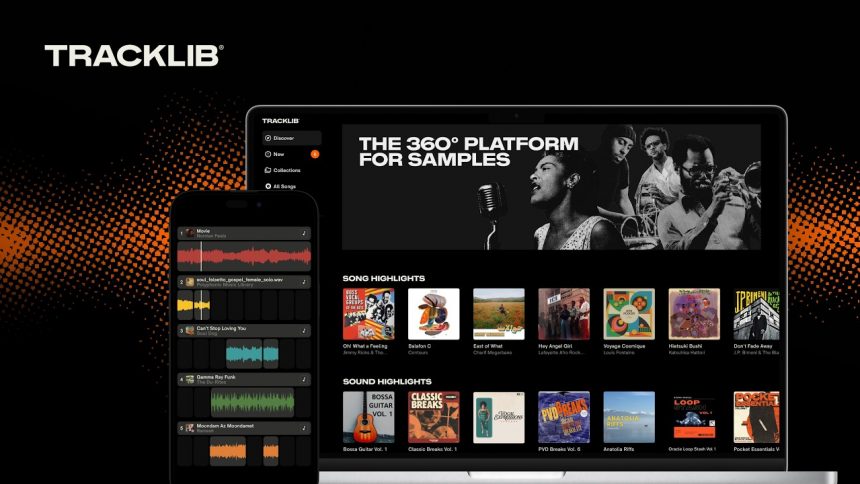
Tracklib offers over 100,000 real, previously released songs — often as stems and multitracks — from funk and soul to disco, rock, and beyond. This is the crate-digging fantasy made legal: you are not getting a loop that sounds like a soul record, you are getting the actual soul record, cleared for sampling. Tracklib also has a smaller royalty-free Sounds section, but its records are the draw.
Verdict: Different catalogs for different needs. Splice for volume and versatility; Tracklib for authentic, real-record character you literally cannot get anywhere else legally.
Legal safety
Both are safe — but in different ways.
Splice is safe because the sounds are original and royalty-free. There is no rights holder waiting in the wings, no future claim, no split. The main caveat is that licenses are non-exclusive, so Content ID false-flags can happen when many producers use the same loop.
Tracklib is safe because it does the clearance for you. Sampling a copyrighted record without Tracklib is a lawsuit waiting to happen; through Tracklib, you register your release, receive your license, and you are legally covered — as long as you follow the process and pay the agreed split. Skip the registration step and you lose that protection.
Verdict: Tie, with an asterisk. Splice removes the rights holder entirely; Tracklib manages the rights holder for you. Both keep you out of court if you follow the rules.
Workflow
Splice is built for speed: browse, preview in your DAW via the Bridge, drag a loop in, spend a credit, done. Nothing to register, no post-release paperwork.
Tracklib adds a step at the end. You download stems, build your track, and then — before release — register the song and its sample usage on the Licenses page to get cleared. It is a five-minute process, but it is a process, and it ties you to reporting revenue going forward.
Verdict: Splice for frictionless, fire-and-forget production. Tracklib for a bit more admin in exchange for legal record-sampling.
Who each one is for
Choose Splice if you:
- Want a huge, royalty-free sound library for any genre.
- Never want to owe anyone a royalty on your finished songs.
- Value predictable monthly cost and zero paperwork.
- Are producing pop, EDM, trap, or anything built from original sounds.
Choose Tracklib if you:
- Specifically want to sample real, released records — the funk break, the soul vocal, the disco groove.
- Are making sample-based hip-hop, lo-fi, house, or flip-driven music.
- Accept sharing a slice of a song’s revenue as the fair price of using someone else’s recording.
- Want legal clearance handled without hiring a lawyer or chasing labels.
You do not actually have to pick
Here is the honest 2026 take: most serious sample-based producers use both. Splice supplies the drums, the FX, the textures, the presets — the royalty-free connective tissue. Tracklib supplies the star element: the cleared record sample that gives a track its soul. Splice keeps your costs flat; Tracklib unlocks material that would otherwise be legally off-limits. They complement each other far more than they compete.
The bottom line
Splice and Tracklib are not really rivals — they are two tools for two jobs. If your music is built from original sounds and you want maximum flexibility with zero ongoing obligations, Splice wins. If your music depends on flipping real records and you want to do it legally, Tracklib is genuinely irreplaceable. Match the platform to the problem, and in most cases, keep both in your toolkit.
Sources: – Splice Plans & Pricing – Tracklib: How It Works – Splice vs Tracklib comparison (Tracklib blog) – Tracklib: Sample Clearance – Splice Sounds Licensing FAQ